• Reportages

Saint-Pierre-d’Arthéglise

LA MAUBRERIE

A Garden as Stage Design

Texte et photos : Franck Schmitt

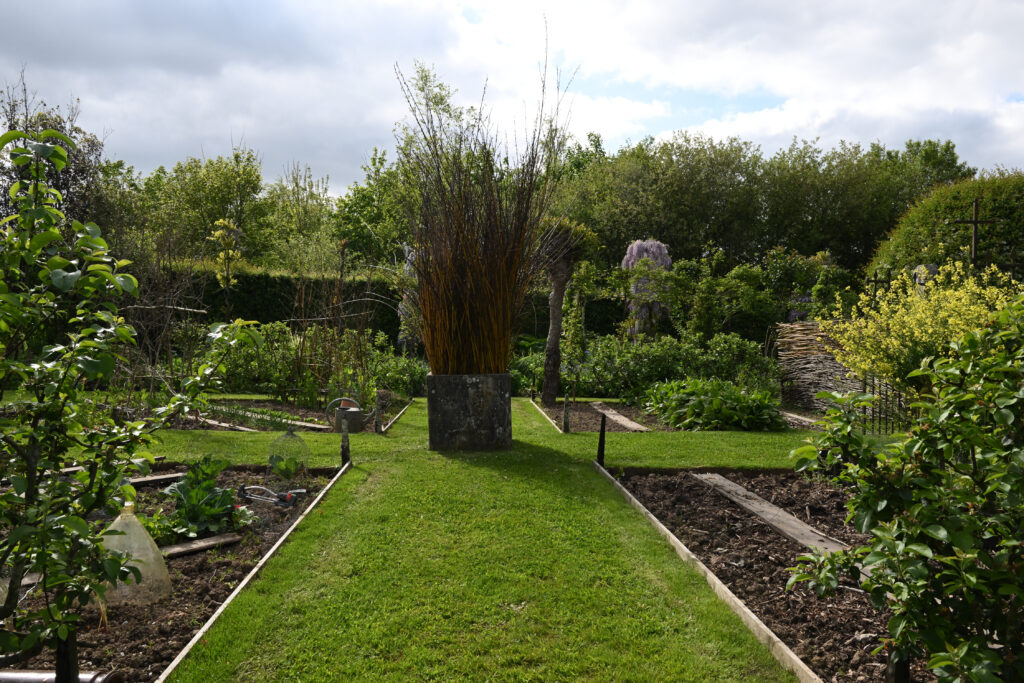
The former set designer’s influence can be seen in the way the spaces unfold. The garden is built as a succession of moods and atmospheres, almost like a series of paintings through which visitors wander.

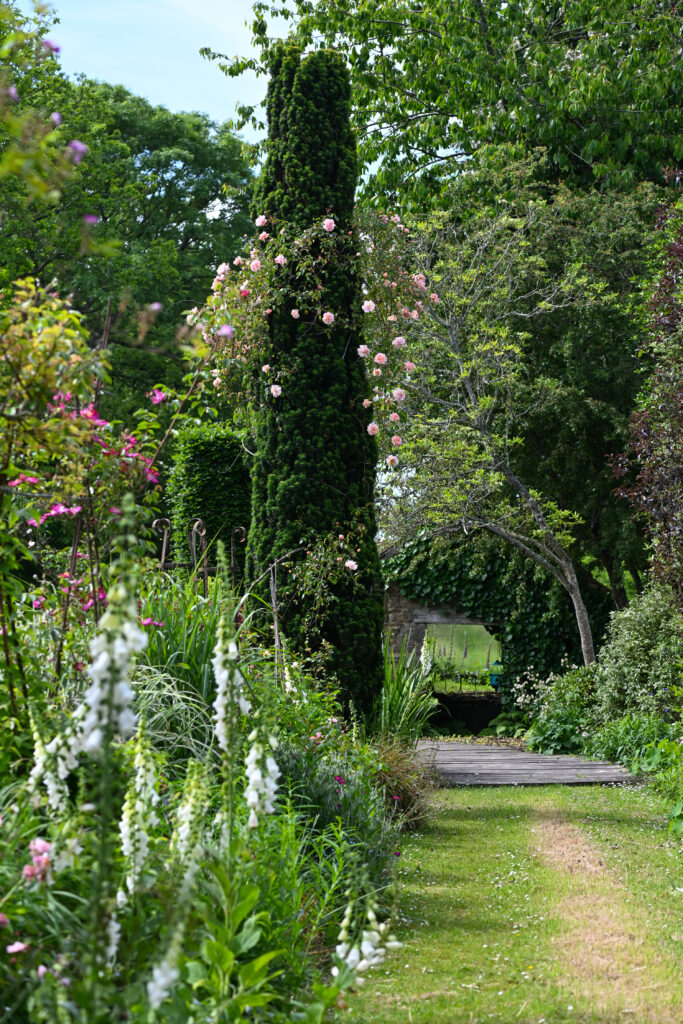
The morning garden, closest to the house, structures the perspectives and directs the
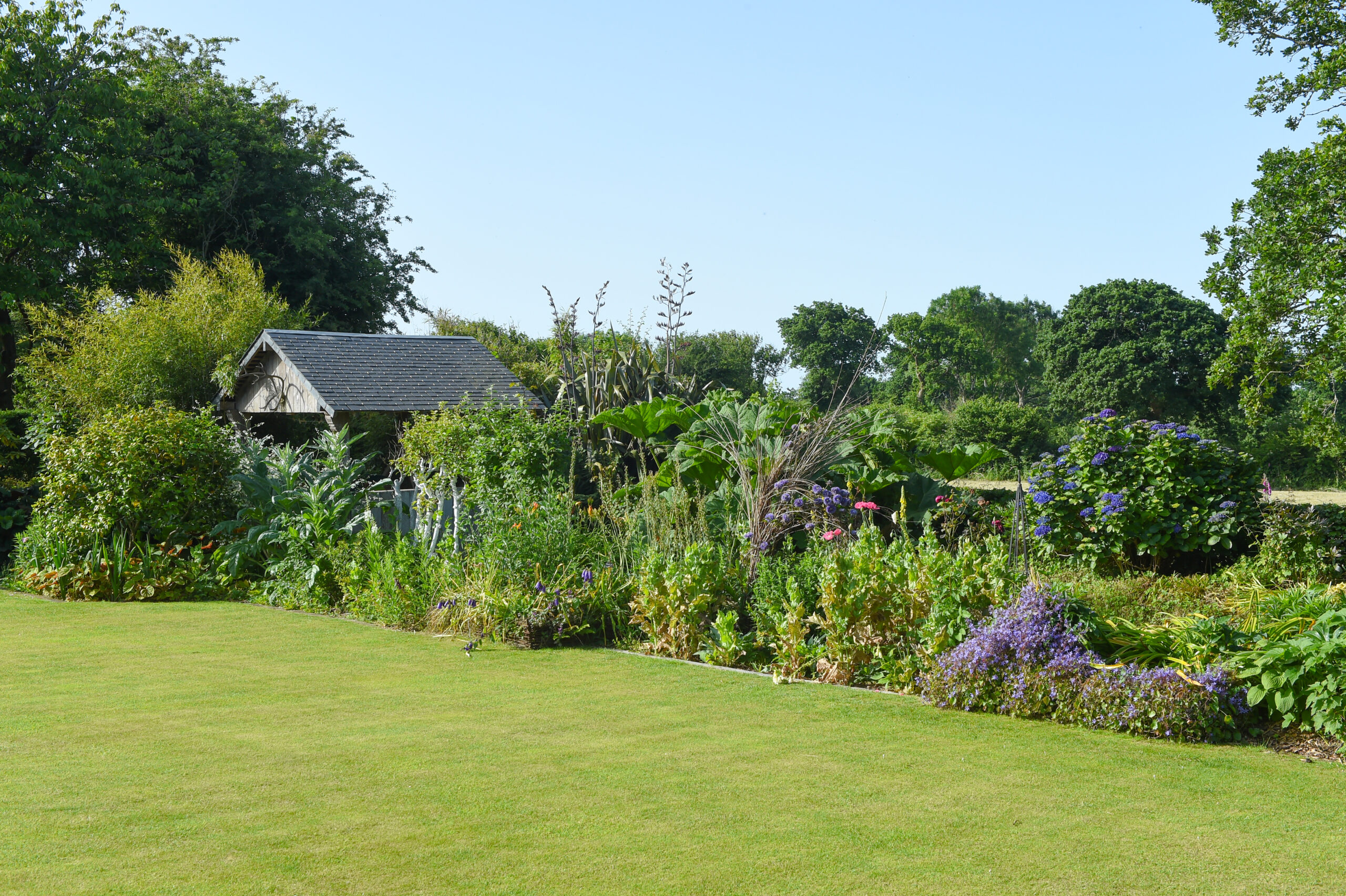
eye. Plantings are dense, in the style of mixed borders composed of perennials and shrubs. In winter, the heathers display a subtle range of pink and purple tones, soon followed by the blooming of hundreds of delicate narcissi, geums, and rare primroses,
some double or even triple-flowered. The lawn, maintained like a golf green, is always lush and carefully tended. In summer, clematis climb skyward alongside roses, dahlias, and a grand fig tree. Flowering never ceases, creating a constantly renewing botanical scene.

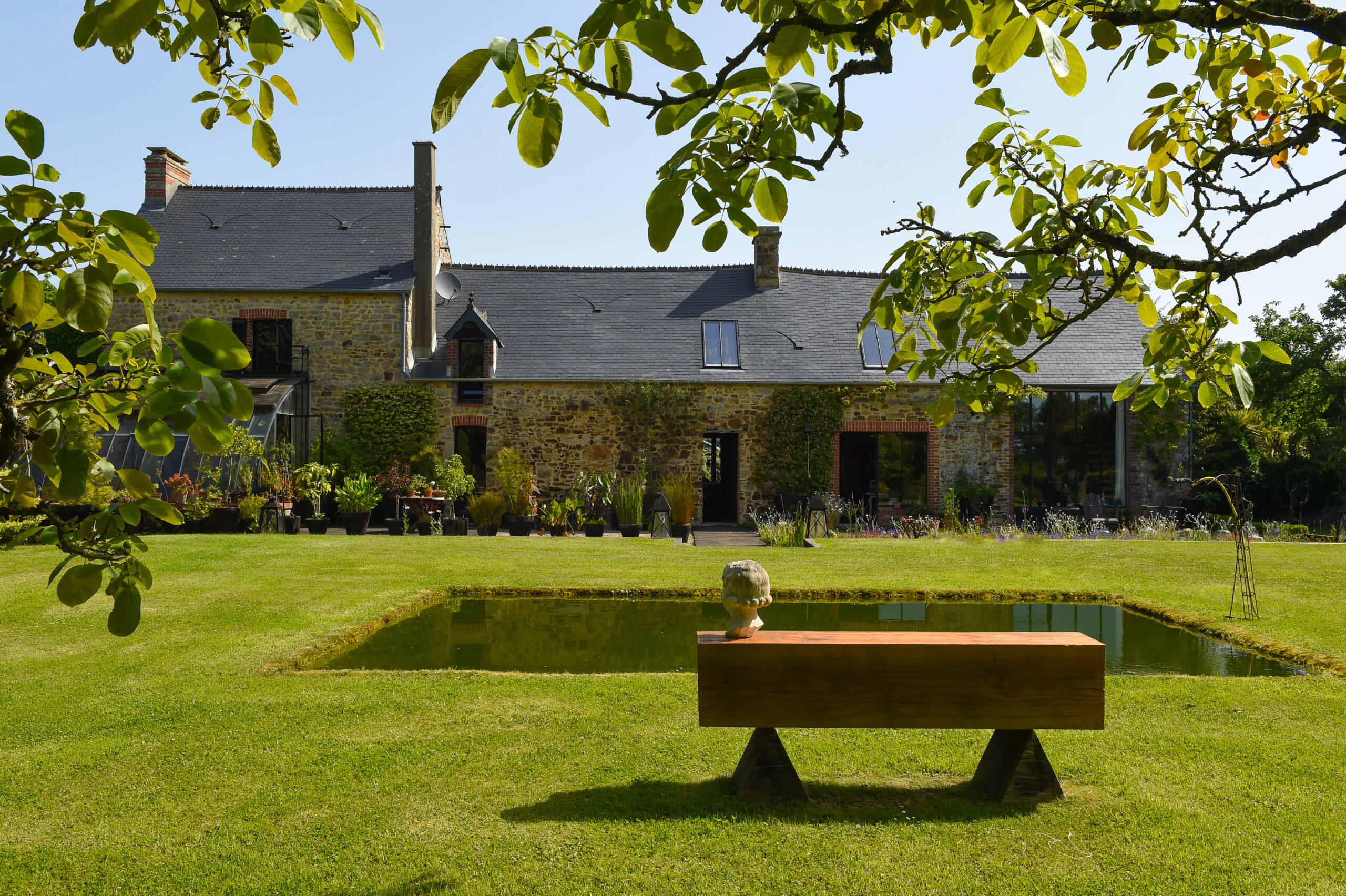
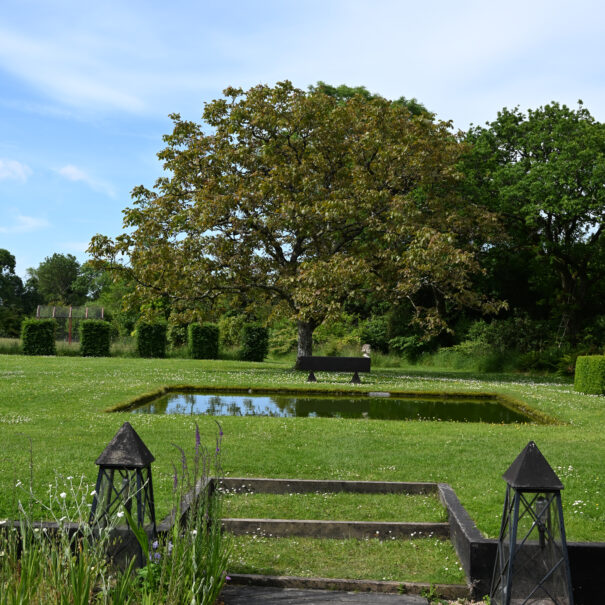
Further on, the afternoon garden opens up and breathes. Bathed in light, it is organized around a reflecting pool (miroir d’eau) and a majestic walnut tree that rises like a sculpture, beneath which a black bench fashioned from old beams invites quiet contemplation. Magnificently clipped topiaries bring a revisited classical touch, while cubes of beech capture the changing Norman light and sky.

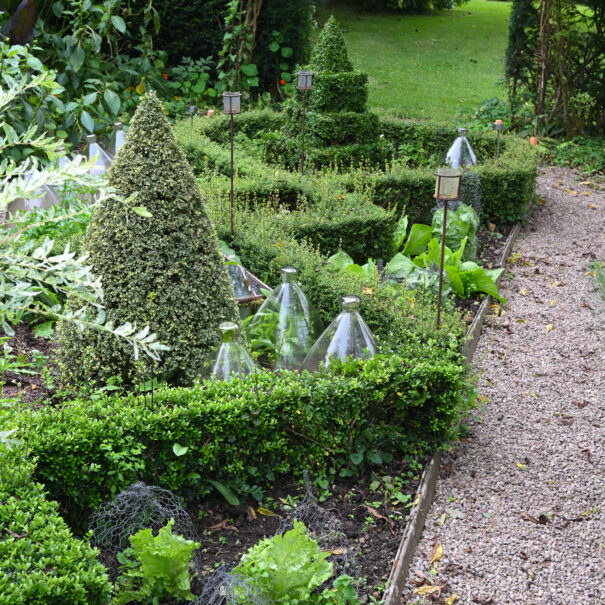
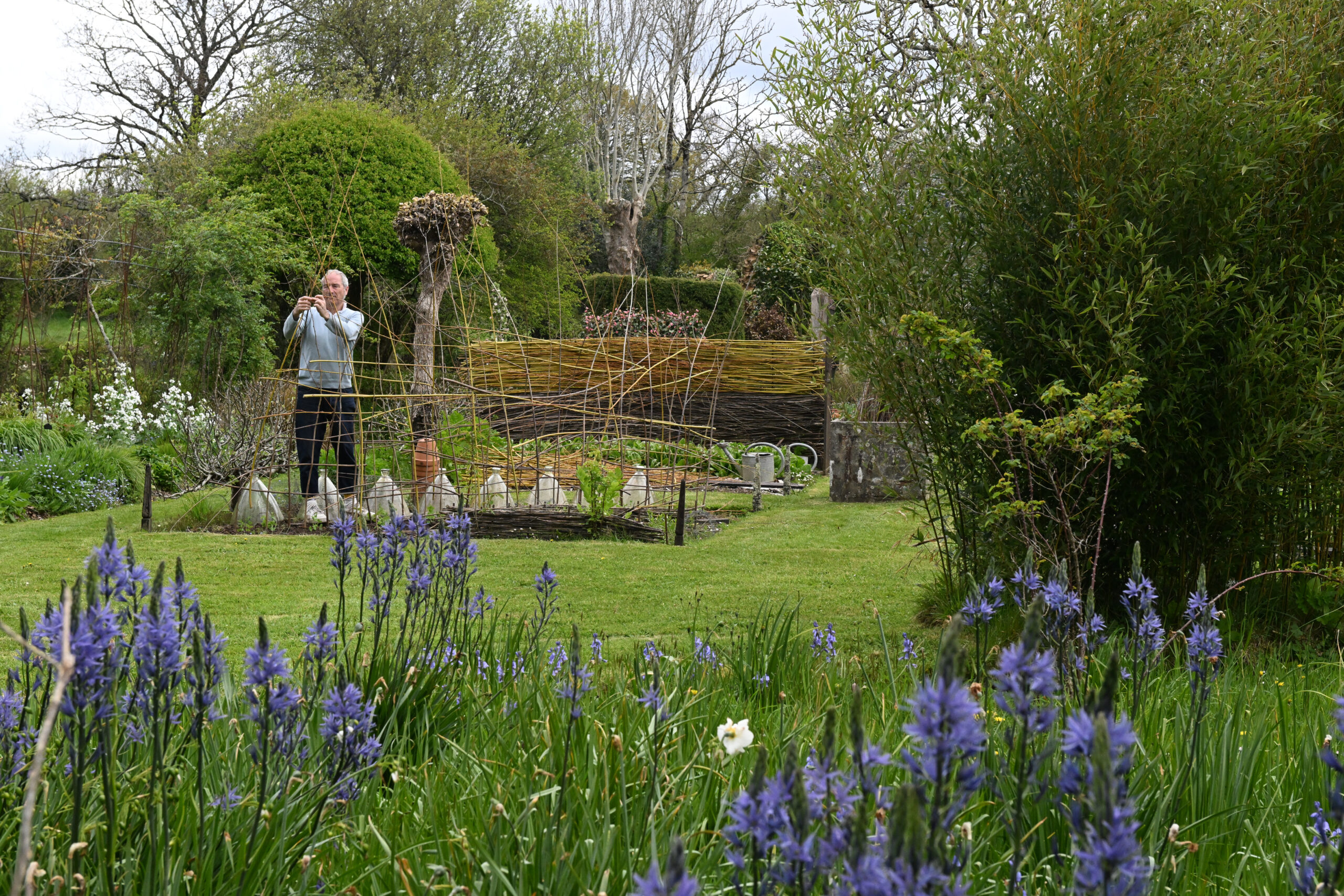
Finally, the evening garden becomes freer, almost experimental, combining rock gardens, a kitchen garden, and spontaneous areas where the gardener observes, tests,
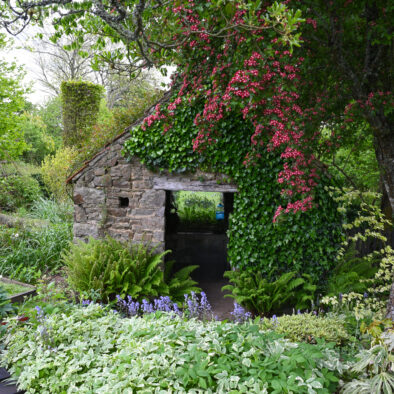
and adjusts. Here one discovers the ruin garden, created around the remains of an old
outbuilding now sublimated by vegetation. It is the kingdom of alpine and rock plants:
oriental hellebores bloom in spring alongside grape hyacinths and botanical tulips.
Nearby, a garden of pots reveals a beautiful collection of Japanese maples.

A LANDSCAPE STYLE ROOTED IN THE BOCAGE

What truly distinguishes La Maubrairie is its deep connection to the surrounding landscape. The Norman bocage, with its hedgerows, embankments, and meadows, is not merely a backdrop but a constant source of inspiration. Stéphane Marie does not seek to create a rupture with the environment; instead, he extends what already exists, opening perspectives and playing with the land’s natural contours. This approach gives the garden a rare quality: it feels at once carefully designed and profoundly natural, with every element finding its place without ever seeming forced.

A FREE AND SENSITIVE PLANT PALETTE

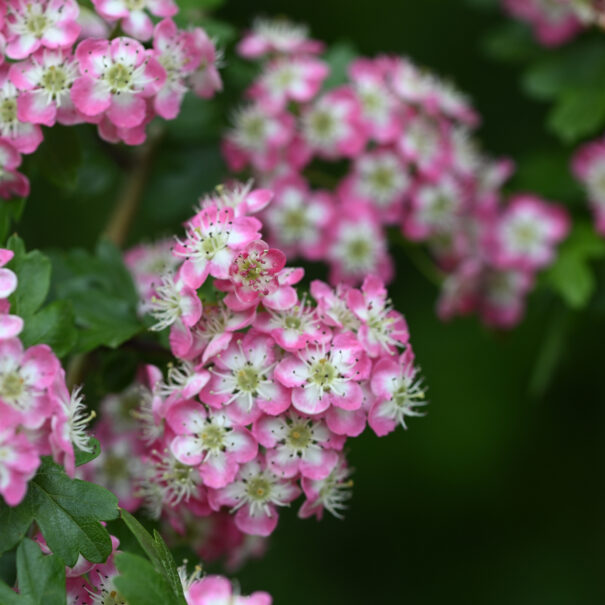
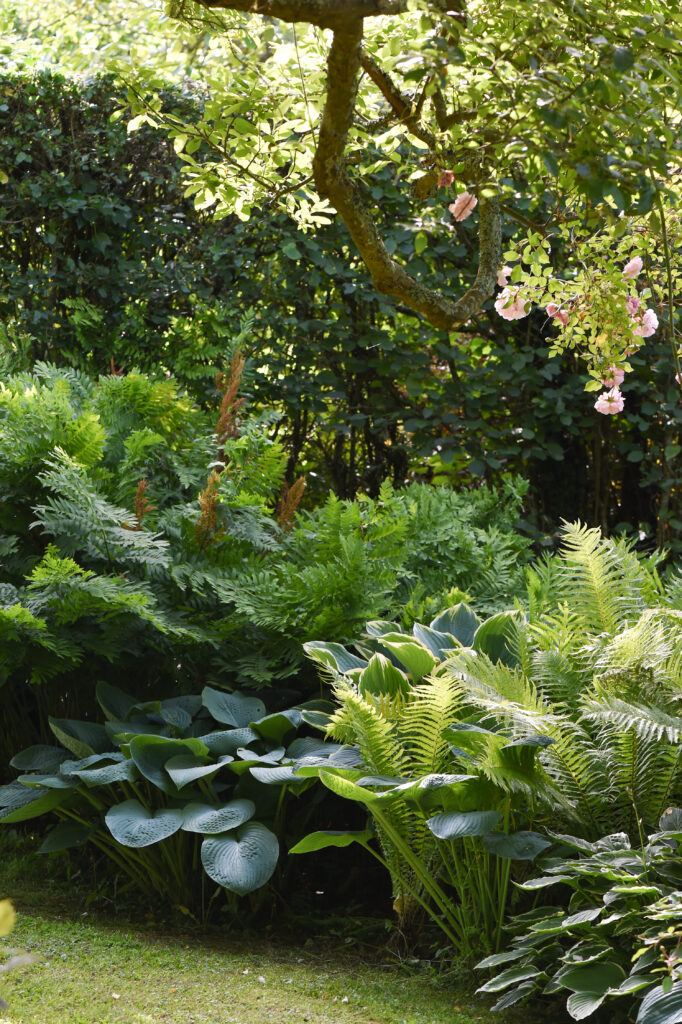
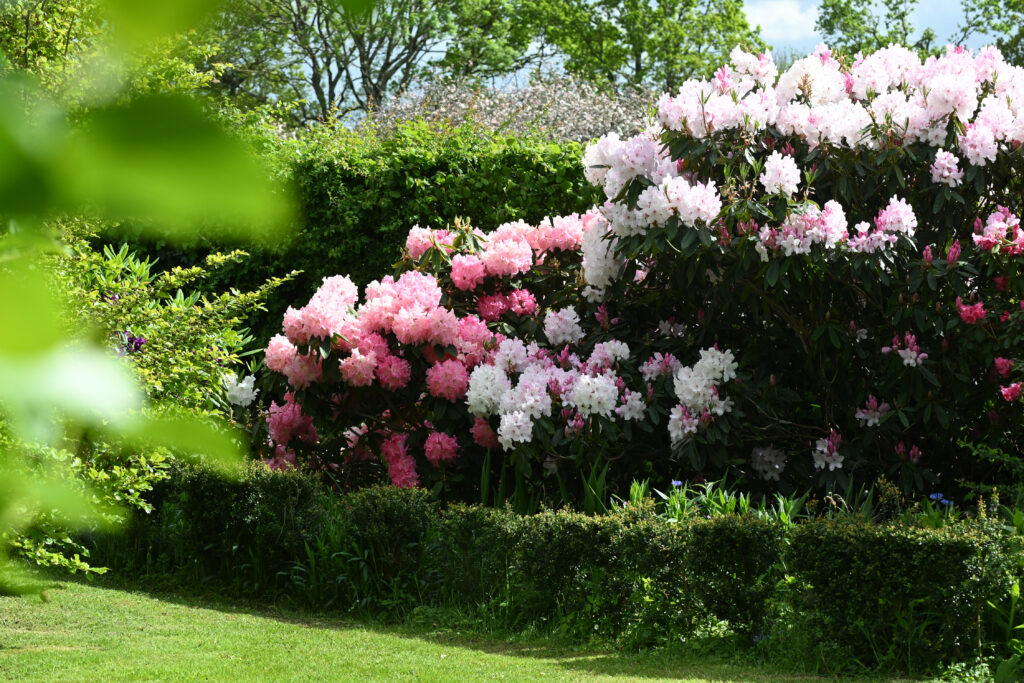
The richness of the garden also lies in its plant palette, both simple and subtle. Familiar bocage plants, primroses, native ferns, daffodils, coexist with generous perennials, airy ornamental grasses, and structural shrubs such as beeches and hawthorns. Certain areas also feature acidloving plants, including rhododendrons with surprising colors and textured foliage. Waterside plants line the paths along the water and thrive in the Cotentin’s mild, humid climate. Nothing here is fixed: plantings evolve, move, reseed themselves, creating a garden in perpetual motion where chance converses with intention.

THE GARDEN IN MOTION : A PHILOSOPHY

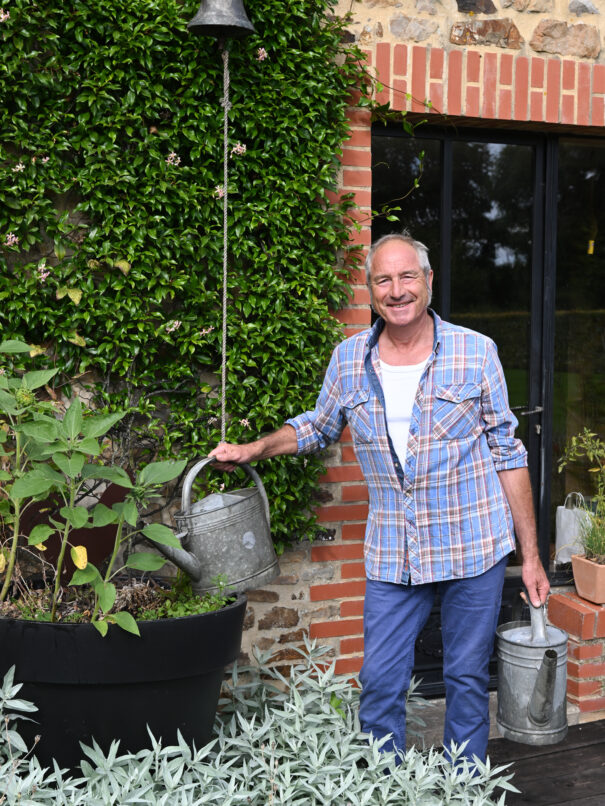
At La Maubrairie, the garden is never finished. It develops over time, in step with the seasons and careful observation. Stéphane Marie advocates a sensitive and prag – matic approach: observe before intervening, accept transformation, and work with the climate rather than against it. This way of gardening, both demanding and humble, creates a living place where unpredictability is fully welcomed. The garden becomes an open-air laboratory, a space for experimentation as much as contemplation. Many plants have even been introduced during the filming of the French television program “Silence, ça pousse!”, for which the garden serves as a living set.

AN ART OF LIVING WITHIN REACH

Although La Maubrairie inspires dreams, it is by no means unattainable. It offers valuable ideas for anyone wishing to rethink their own garden: structuring space into garden rooms to create atmosphere, framing views to enlarge perspectives, combining self-seeding plants with cultivated varieties for a more natural effect, or introducing water features to enrich biodiversity. But the real lesson lies elsewhere: accepting that a garden is never fixed and learning to work with time itself. At the crossroads of intimacy and landscape, La Maubrairie transcends the notion of a garden to become a signature, a deeply rooted place where every season writes a new chapter.

STÉPHANE MARIE’S TIPS FOR GARDENING IN THE PAYS D’AUGE

Nestled between rolling hedgerow countryside and a damp climate, the Pays d’Auge offers ideal conditions for a lush, natural garden. Its generally rich, slightly acidic soils, combined with mild temperatures, support a wide variety of plants.

HYDRANGEA FEVER!

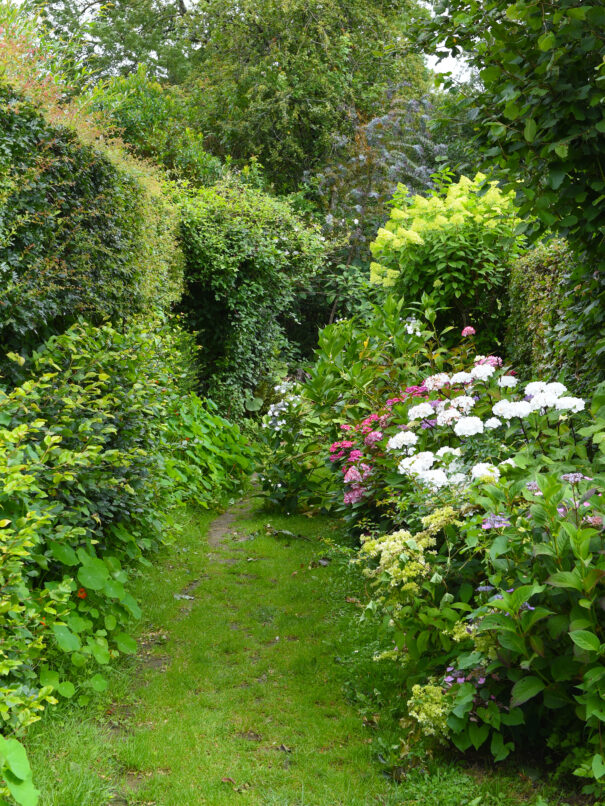
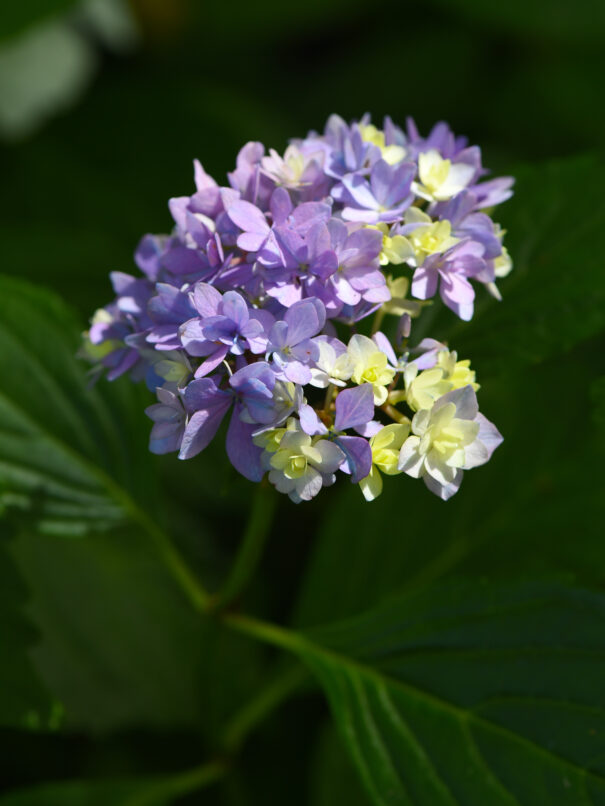
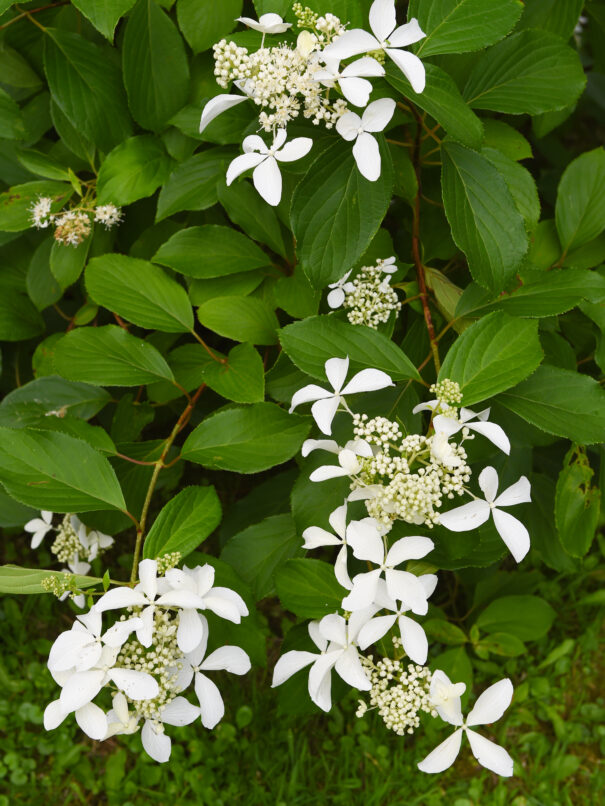
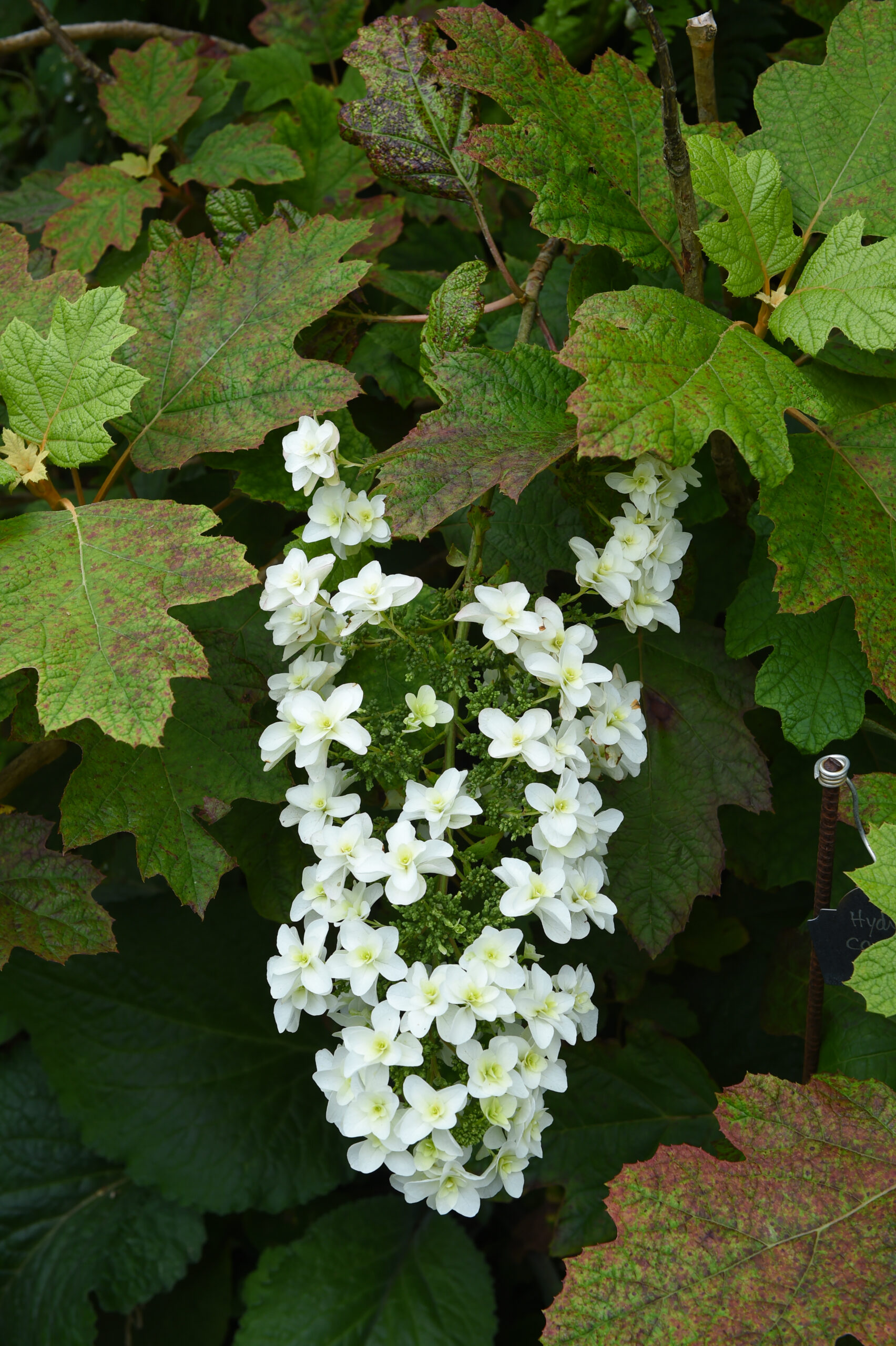
Hydrangeas thrive particularly well here. Hydrangea macrophylla varieties produce their famous colorful blooms, often turning blue in acidic soil, while the hardier, more sun-tolerant Hydrangea paniculata charms gardeners with its large flower clusters that shift from white to pink. Planted in partial shade and sheltered from the wind, they become true garden staples.


A PARADISE FOR PERENNIALS

This region is something of a kingdom for perennials, which create soft, long-lasting flower beds. Hardy geraniums, lady’s mantle, Japanese anemones, and ferns all flourish in the cool, moist atmosphere. Together, they provide an extended blooming season and bring a natural structure to the garden.


THE WINNING DUO

Among shrubs, dogwoods (Cornus alba and Cornus sanguinea) add vibrant color in winter with their decorative stems, while viburnums (Viburnum carlesii, Viburnum mariesii, and Viburnum opulus) offer varied and often fragrant blooms. Easy to grow and maintain, these shrubs blend beautifully into hedges and mixed borders. Gardening in the Pays d’Auge is above all about working in harmony with the country – side and surrounding landscape, while choosing plants well suited to the environment — a simple balance for a garden that feels both elegant and alive.

THE GARDENS OF LA MAUBRAIRIE

Route des Mésanges, La Maubrairie, 50270 Saint-Pierre-d’Arthéglise
The garden is open to visitors this year on:
Please check the website or Instagram account for opening hours